By finca number
The direct route. Province plus number (5-123456-000). The Registry's free consulta shows owner, area, boundaries, liens and the plano number.
The Registro Nacional keeps the owner, the area, the survey plan and every lien of every titled finca, and most of it is free to look up. The catch: it is in Spanish, there is no address search, and you need the finca number. This page gets you from a listing to the record.
Costa Rica's property records live in the Registro Nacional and are public. With a free account on rnpdigital.com you can read any finca's record on screen. To do that you need the finca number, which listings rarely show: get it from the deed, from the plano, or by tapping the lot on Folio's free map. For a purchase, the document that counts is the certificación literal, which Folio pulls for you.
A town is typed, a lot is tapped, the Registry answers in seconds. Then every one of the 21 report pages, explained one by one.
And the one way that does not exist.
The direct route. Province plus number (5-123456-000). The Registry's free consulta shows owner, area, boundaries, liens and the plano number.
The consulta de bienes por persona lists every finca registered to a cédula or company ID. Useful when all you have is the seller's name. Folio orders the certified version for $49.
Find the lot on satellite imagery and read its finca number, area, perimeter and boundary. No account, no Spanish. The $29 report adds the owner, liens and plano, read by a person.
Costa Rica has no address index in the Registry. "200 metros sur de la iglesia" is a direction, not a key. Anyone offering an address search is guessing.
Three steps, from anywhere.
On rnpdigital.com choose "registrarse por primera vez": name, phone, email, password and a verification code. The interface is Spanish; the forms are short.
Consulta por Número de Finca (owner, area, boundaries, liens), Valores de Finca (fiscal value), Historia de Fincas (the chain of transfers) and Consulta de Plano (the survey plan). Province and finca number required; for condominiums, filial or matriz.
It is informative, not a document. A bank, a notary or a court wants the certificación, which carries a certification number and the Registry's digital signature, verifiable online.
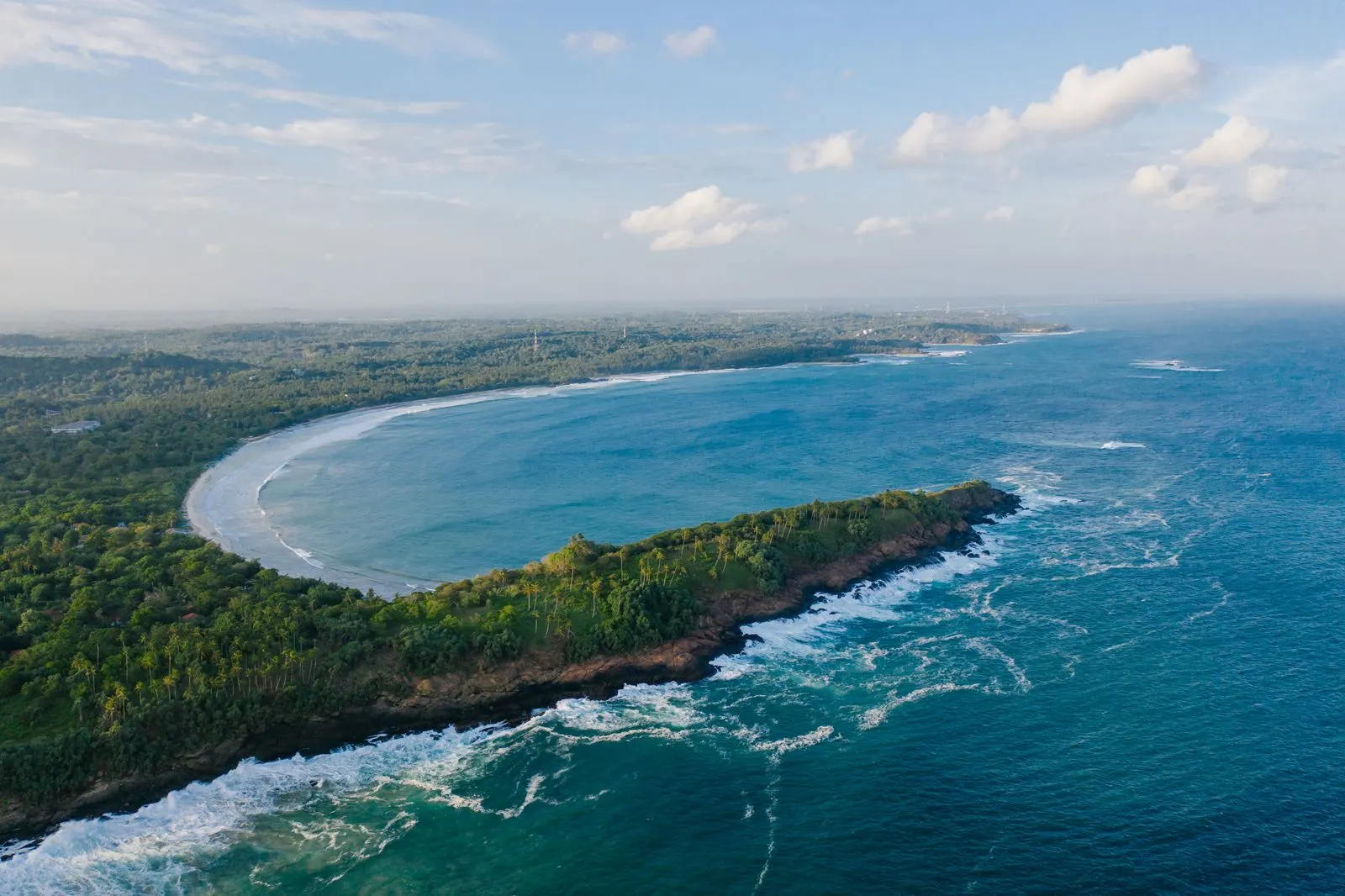
Where the fence runs, whether the plano area matches the registered area, water, road access, whether the lot sits inside the 200 m maritime zone or a protected area. Those come from the plano, a visit and map layers. Folio's free map shows the finca, its area and its boundary on satellite imagery; the $29 report adds the owner, the liens and the plano, read by a person.
In the Registro Nacional, the national registry in San José. Its Registro Inmobiliario holds every titled finca with its owner, area, survey plan (plano) and every mortgage, lien, easement and pending filing. The records are public.
Yes. A free account on rnpdigital.com, the Registry's portal, shows the record of any finca on screen: owner, area, boundaries, liens, fiscal value, transfer history and the plano. The portal is in Spanish. Folio's free map shows the finca number, area and boundary of any lot without an account.
You cannot; Costa Rica has no street-address index in the Registry. You search by finca number (province plus number), by the owner's ID number, or by finding the lot on a map and reading its finca number, which is what Folio's free map does.
The registry number of a property, also called folio real or matrícula: a province digit, a six-digit number and a three-digit derecho, for example 5-123456-000 for a whole finca in Guanacaste. Every document about the property is tied to it.
The certificación literal, the Registry's certified extract of the finca as of the date of issue. Lawyers, notaries and banks ask for it first. Folio orders it for you for $39, Registry fee included, delivered by email, normally in 1 to 2 business days.
No. Vehicles, boats and aircraft are in the Registro de Bienes Muebles, a separate registry inside the same institution, searched by plate.
