How it worksWhy FolioPricing
Tools ▾Map layersParcel linesTopographic contoursCoastlineDistrict & cantonProtected areas (SINAC)State patrimony (PNE)WetlandsFlood riskLandslide riskAquifer rechargeEnvironmental viability (SETENA)ToolsProperty Title Check3D Terrain & FlyoverBuildability CalculatorClosing-Cost CalculatorOwner-Financing CalculatorRental ROI CalculatorCost of Ownership CalculatorConstruction Cost EstimatorOwner-Financing QuizAll tools
JournalFolio Registry Ask Folio Español Log in Scan a property
Folio / Guides / For sale by owner
For buyers without an agent

No agent, no problem. No record check, big problem.

A for-sale-by-owner deal in Costa Rica skips the commission and the agent's checks at the same time. The record is public and the checks are cheap. Here are the five that matter, in order, and the document to hold before any money moves.

5checks that replace the agent
1number the seller must give you
0deposits to a personal account
$29to read the record, by a person
Official Registro Nacional documents
Pulled for you, fee included
Delivered by email
Built in Costa Rica
Short answer

Buying from the owner in Costa Rica is normal. What makes it risky is skipping the checks the agent would have forced: who is registered as owner, what is registered against the property, whether the plano matches the land, who holds the deposit, and which notary writes the deed. All five are cheap. The first three come from the public record, which starts with the finca number.

Two minutes, start to finish

Watch the free check and the $29 report

A town is typed, a lot is tapped, the Registry answers in seconds. Then every one of the 21 report pages, explained one by one.

Santa Teresa, Cóbano, finca 6-0211254. Recorded on foliocostarica.com/property-check, with the sample report.Try it on your lot
Five checks

What the agent would have made you do

In order. The first three come from the public record.

Get the finca number, then read the record

Ask the seller for the finca number (on the deed and on the plano). If they cannot produce it, tap the lot on Folio's free map and read it. Then read the Registry's record: the registered owner must be the person or company you are dealing with.

Read every lien before you talk price

The certificación literal lists every mortgage, embargo, easement and pending filing with its citas. A mortgage is normally cancelled at closing with part of the price, if everyone knows about it. A pending filing (anotación) is a stop sign until it is explained.

Match the plano to the land

The plano catastrado is the lot's legal shape and size. Compare its area with the Registry's area and with what you see on the ground. Different numbers are a question for the seller before the deposit, not after.

Keep the deposit away from the seller

A deposit goes to a SUGEF-supervised escrow company or a notary's trust, against a signed option agreement that names the finca, the price, the conditions and the dates. A seller who insists on cash or a personal transfer is telling you something.

Choose your own notary

Only a Costa Rican notary can register the transfer. In a private sale the notary is your only professional in the room. Pick yours, pay yours, and give them the certificación and the plano before they draft anything.

Walk away

Three things that end the conversation

The seller is not the owner

The record names a company, a relative, a dead person or a stranger. Companies are normal here, but then the company signs through a representative with registered powers. Anyone else is selling what they do not own.

A pending filing on the finca

Anotaciones are documents already in the Registry's queue. It may be the seller's own mortgage cancellation. It may be a sale to someone else. In a private deal, nobody tells you which unless you read it.

No finca number, no plano, no papers

Every titled property has a finca number and a plano. A seller with "the papers are at the lawyer" and nothing to show has not earned a deposit.

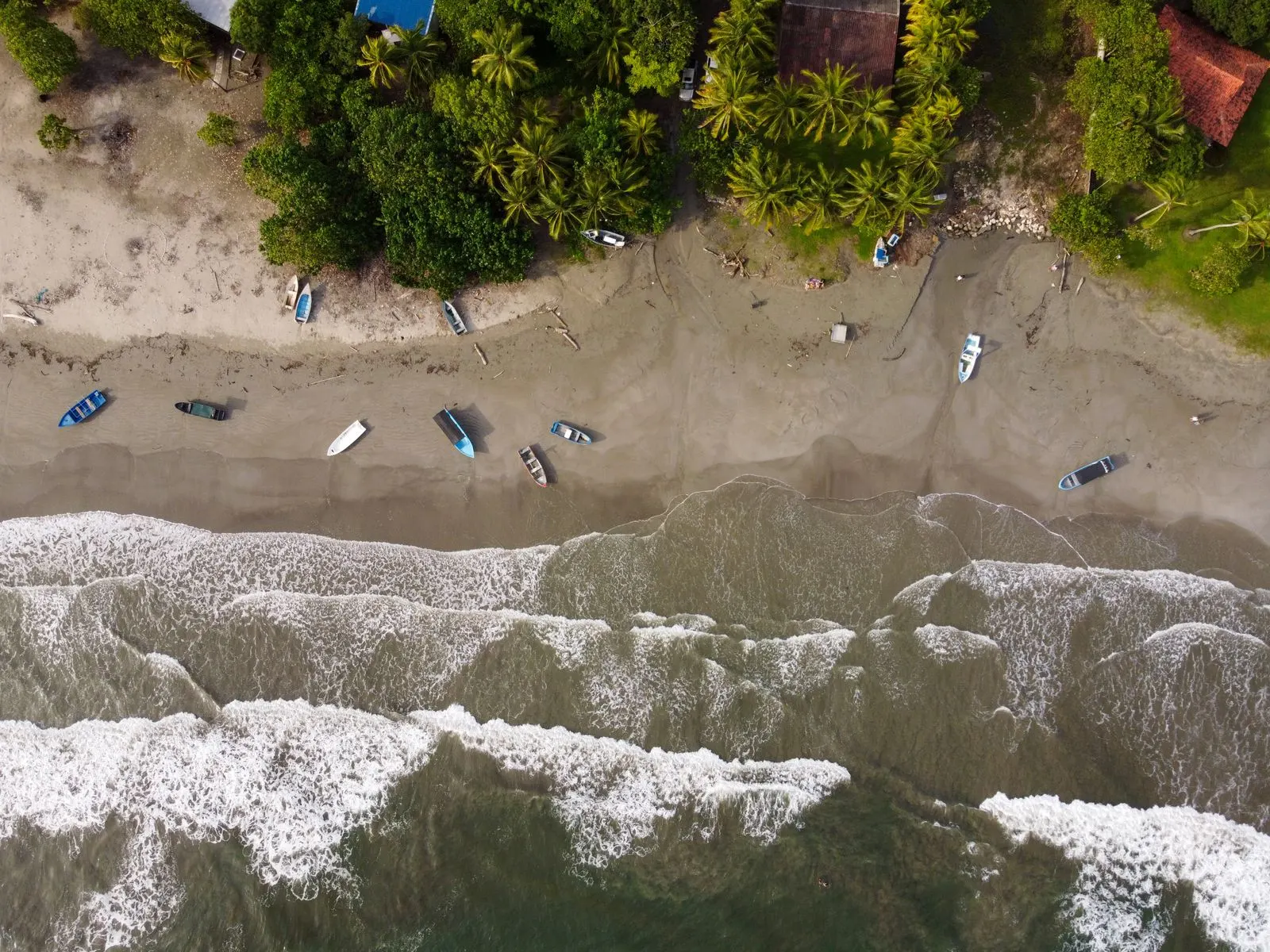
Fishing boats on a Costa Rican beach from above

Why private sales go wrong

Not because owners are dishonest, but because nobody in the room is paid to check. The agent's commission bought you a second pair of eyes; without it, the eyes are yours, and the record is where to point them. Folio's free map finds the lot; the $29 report reads the owner, the liens and the plano; the certified documents are what your notary will ask for.

From the map to the document

Start free, end with the certificate

Questions

Frequently asked

Is it safe to buy a Costa Rica property directly from the owner?

It can be, if you do the checks an agent and a lawyer would have done: confirm the seller is the registered owner, read the liens, match the plano to the land, use a notary for the deed and never pay a deposit to a personal account without a written agreement. The property record is public, so the checks are not expensive.

How do I confirm the seller really owns it?

Get the finca number from the seller (or read it off Folio's free map) and read the Registry's record. The registered owner, person or company, must be who signs. If a company owns it, the person signing must hold a registered power to represent it.

What if the seller cannot give me a finca number?

Every titled property has one; it is on the deed and on the plano. A seller who cannot produce it either does not have the papers or is not the owner. Tap the lot on the free map and the finca number appears; then compare.

Who holds the deposit?

Not the seller. In Costa Rica deposits go to an escrow company supervised by SUGEF or to a notary's trust, against a signed option or purchase agreement with the finca number, the price and the conditions in it.

Do I still need a notary?

Yes. Only a Costa Rican notary public can draft and register the transfer deed. In a for-sale-by-owner purchase the notary is your only professional in the room, so choose your own, not the seller's.

What does Folio do in a private sale?

The free map finds the lot and the finca number. The $29 report reads the registered owner, the liens and the plano. The certified documents ($39 to $49) are what your notary will ask for. The $1,000 due diligence covers the rest.

Sources. Document names, contents and prices from Folio's registry catalogue as of 6 November 2026; Registro Nacional online services, rnpdigital.com. Escrow companies in Costa Rica are supervised by SUGEF; see Folio's SUGEF guide. Photo: Pexels.
This page is general information, not legal advice. A Costa Rican notary public drafts and registers the transfer; Folio pulls Registry documents and reads them for you.
Ask Folio